
Beyond the Beaten Path: Asia's Most Authentic Destinations for 2026

 https://images.prismic.io/natouris/aWj5kAIvOtkhBnNP_Asia%27sMostAuthenticDestinationsfor2026.png?auto=format,compress&rect=0,46,2752,1445&w=1200&h=630
Let me tell you something. I'm tired of scrolling through Instagram and seeing the same crowded beaches, the same filtered temples, the same everything. You know what I mean, right? That feeling when you finally arrive at a "must-see" destination only to find yourself surrounded by selfie sticks and tour buses.
But here's the thing about Asia in 2026. It's shifting. There's this beautiful movement happening where travelers like you and me are saying no to the checklist tourism and yes to something deeper, something real. And honestly? It's about damn time.
Why Bali Still Deserves Your Attention (But Not Where You Think)
So Rough Guides crowned Bali as the top Asia destination for 2026, and before you roll your eyes, hear me out. This isn't about Kuta's party scene or Seminyak's beach clubs anymore. Bali 2026 is about intentional travel, about peeling back the layers to find what makes this island truly special.
I'm talking about the Bali that exists when you venture away from the overtourism hotspots. Picture this: you're in Ubud, but not the main drag. You've signed up for a homestay experience where you're learning traditional offerings from a local family, your hands working the delicate palm leaves as they've been worked for generations. Or maybe you're in North Bali, where black sand beaches meet genuine fishing villages and the only crowds are the ones at the morning market.
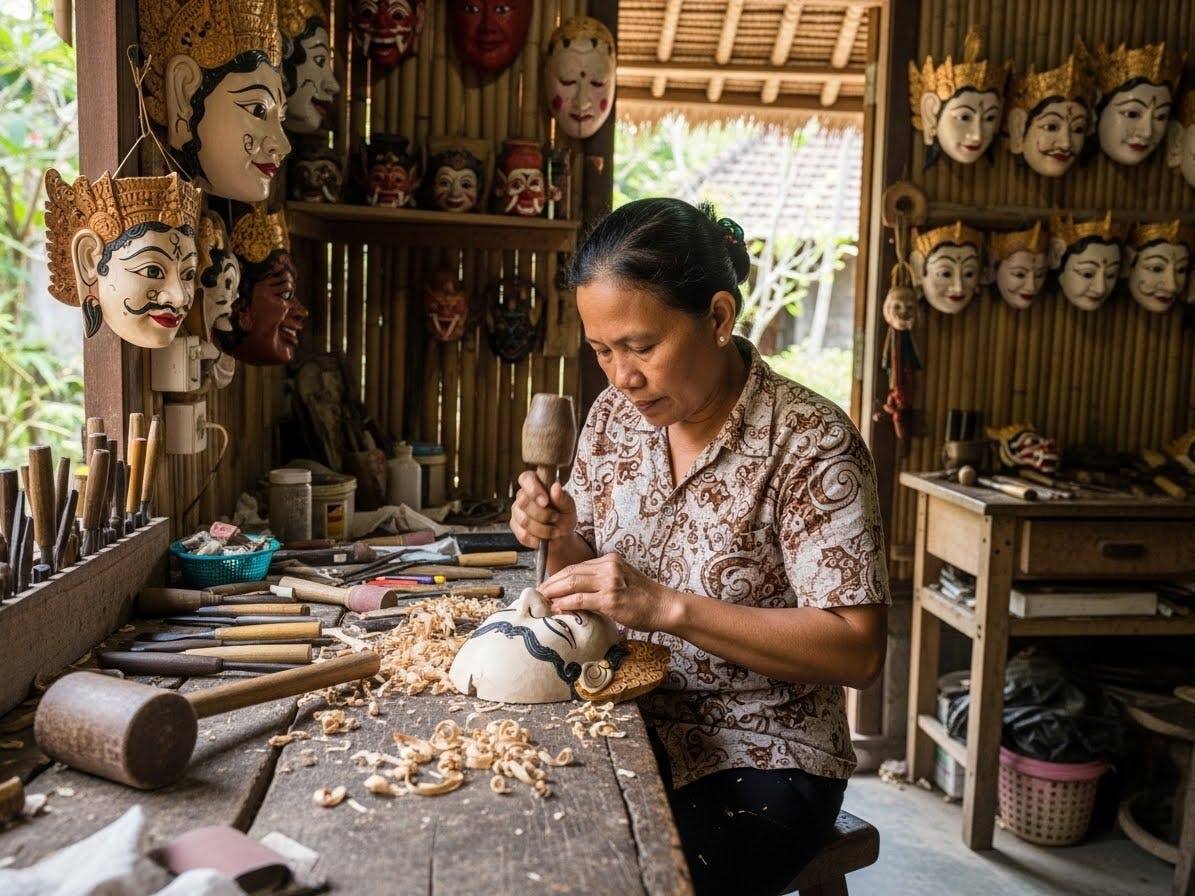
The island is leaning hard into community-driven experiences and eco-friendly initiatives. Wellness retreats here aren't just about your third eye anymore. They're about regenerative travel, giving back to communities, supporting local artisans who keep ancient crafts alive.
Quick reality check: Bali now charges a tourism levy of about $10 upon arrival. It's going toward environmental protection and cultural preservation. Honestly, best ten bucks you'll spend.
Chiang Mai: Where Culture Isn't a Performance
November to February in Chiang Mai hits different. The air is crisp, the sky impossibly blue, and the city pulses with an energy that's both ancient and alive. I've been obsessed with this place since I realized that cultural immersion doesn't have to mean feeling like a tourist at a zoo.
Want to know when to visit for maximum authenticity? Time your trip with Yi Peng Lantern Festival if you can handle the crowds (because yes, it's stunning enough to warrant them). Or hit Songkran in April for the water festival that locals actually celebrate, not just the Instagram version.
But here's what nobody tells you. The real magic happens in the hill tribe homestays. You wake up to mist rolling over mountains, spend your day learning traditional weaving or helping harvest rice, and at night, you're sharing stories around a fire with families who've lived this way for centuries. No performance, no script, just human connection.
Pro tip: Skip peak rainy season (July to October) unless you're cool with muddy treks and closed temple areas. The shoulder seasons are your friend here.
Palawan: The Eco-Adventure That Actually Walks the Talk
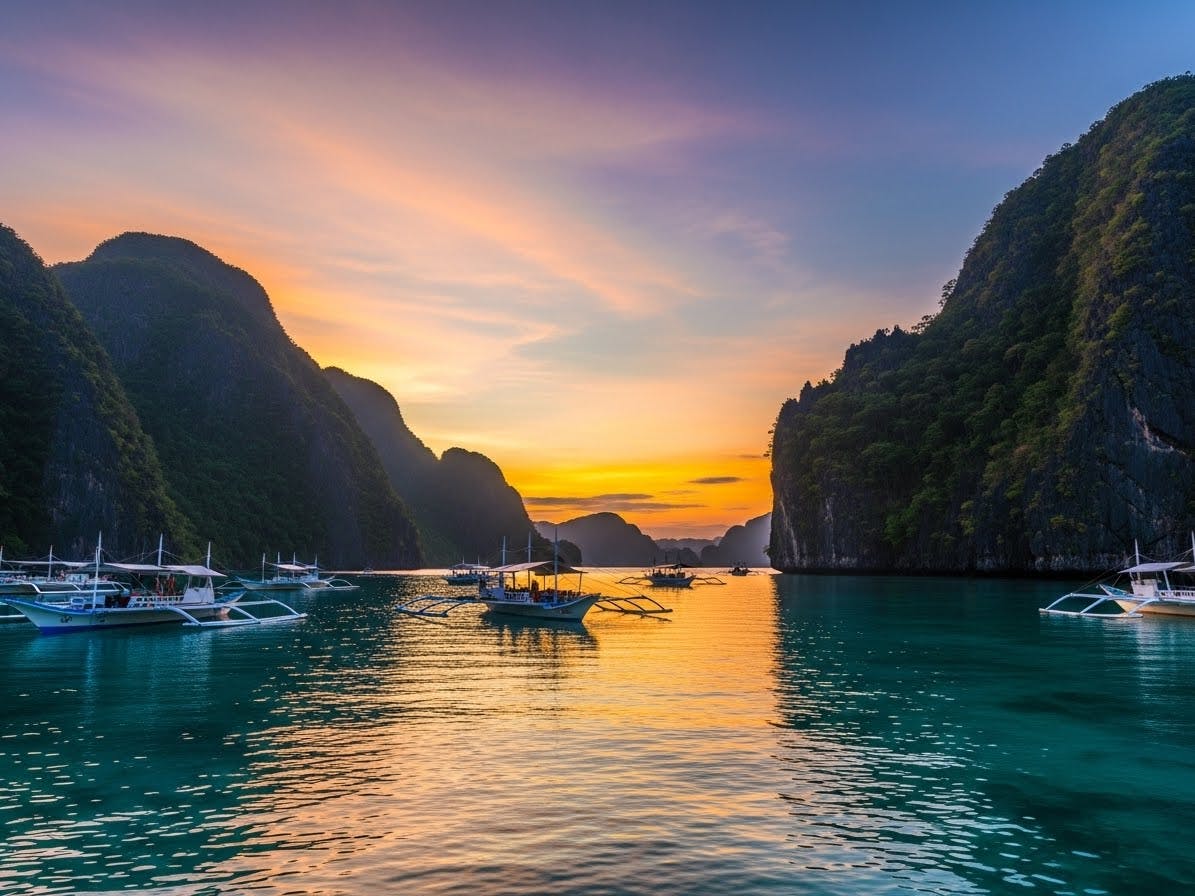
Listen, I get it. Everyone's talking about sustainable travel these days, but Palawan in 2026 is actually doing it. This isn't greenwashing. This is certified eco-operators taking you island-hopping in El Nido with genuine respect for marine ecosystems, using reef-safe everything and limiting group sizes.
The underground river tours in Puerto Princesa blow your mind, sure, but what gets me is the commitment to wildlife protection. You can spot endangered species while knowing your presence isn't contributing to their decline. That's the kind of travel that lets you sleep at night.
Best times to visit? March to May or October to November hit that sweet spot between good weather and manageable crowds. Your budget trip here can run $50 to $100 per day if you're smart about hostels and street food. For a 10-day deep dive, you're looking at $800 to $1,500 (flights not included), and trust me, every dollar feels well-spent.
Vietnam and Indonesia's Rising Stars
Here's where it gets interesting. While everyone's flooding Hanoi and Jakarta, searches for places like Da Nang, Hoi An, Yogyakarta, and Labuan Bajo are up 15% over the major hubs. And there's a reason for that.
Da Nang gives you beaches without the Bali markup. The Marble Mountains offer temples carved into limestone caves, and you can explore without battling crowds. Days 1 to 3 there set you up perfectly for Hoi An's ancient town and cooking classes on Days 4 to 6. Day 7? Hit nearby islands and call it a week well spent.
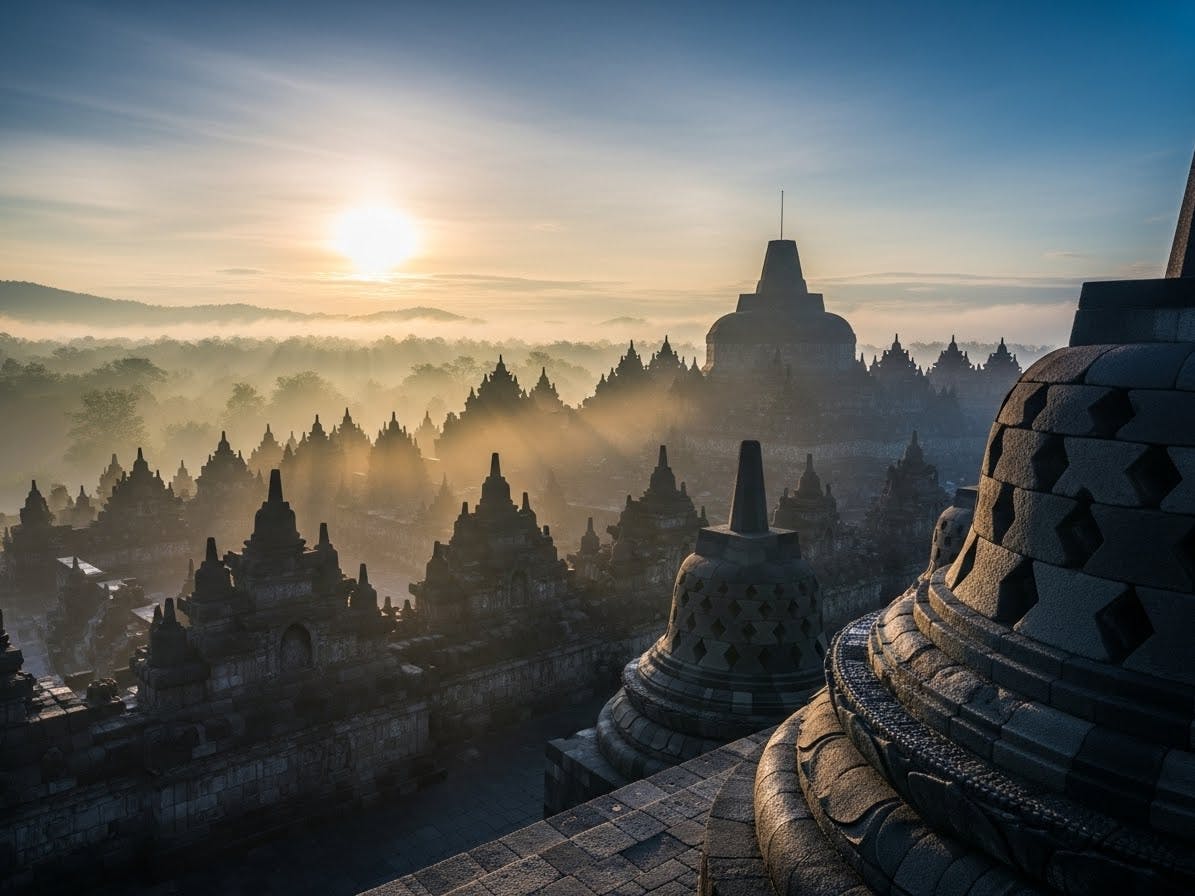
Yogyakarta is culture-rich Indonesia without the tourist infrastructure overwhelming the experience. Borobudur at sunrise is transcendent, but it's the batik workshops and shadow puppet shows where you actually connect with Javanese traditions.
Labuan Bajo is your gateway to Komodo dragons and some of the world's best diving. The town itself is still relatively untouched, though that window is closing as word spreads.
The Money Talk Nobody Wants to Have (But Should)
Let's break down what intentional travel actually costs you. Budget travelers in these spots can work with $50 to $100 per day. That covers decent hostels, amazing street food, and local transport. You're not slumming it. You're just choosing wisely.
For Chiang Mai or Palawan, a 10-day itinerary runs $800 to $1,500 excluding flights. Book early (like now for 2026) and you can save 20 to 30% on airfare. Budget carriers like AirAsia and Scoot are your friends for intra-Asia flights, and major hubs like Singapore or Bangkok offer deals if you're flexible.
Money-saving reality check: Off-peak bookings are clutch. Public transport over taxis. Street food over restaurants (and honestly, it's usually better anyway). These aren't sacrifices. They're choices that keep you closer to actual local life.
Playing It Right: Visas, Sustainability, and Common Sense
Thailand now offers 60-day visa exemptions for many nationalities. Vietnam and the Philippines are expanding e-visa options, partly driven by their push toward sustainable tourism policies. Check current requirements because things shift fast.
As for sustainable practices? Use reef-safe sunscreen in Palawan. Support local artisans in Bali instead of buying mass-produced junk. Avoid single-use plastics. Choose hiking over motorized tours when you can. This isn't preachy. This is just being a decent human while traveling.
And about overtourism. Yes, Bali and Chiang Mai face crowd issues. Your move? Visit during off-peak times. Explore North Bali instead of the south. Try Chiang Rai instead of just Chiang Mai. Use crowd-monitoring apps. You can still have authentic experiences if you're willing to go slightly off-script.
The 2026 Cultural Calendar You Need
Want to time your trip with something special? Bali's Nyepi (Day of Silence) happens in March. The entire island shuts down for 24 hours. No lights, no noise, no tourists running around. It's profound if you respect it.
Chiang Mai is launching more wellness festivals throughout the year. Palawan is hosting eco-focused events. And across Asia, there's this trend toward AI-curated personalized retreats and food-focused tours. Technology meeting tradition in ways that actually enhance rather than replace authentic experiences.
Creating Your Own 7-Day Underrated Asia Itinerary
You don't need three weeks to do this right. Seven days in the right places beats two weeks of sprinting through capitals. Here's a framework you can adapt:
Option 1: Vietnam Deep Dive
- Days 1 to 3: Da Nang for beaches and Marble Mountains
- Days 4 to 6: Hoi An for ancient town vibes and cooking classes
- Day 7: Island exploration or travel day
Option 2: Indonesia Culture Crawl
- Days 1 to 3: Yogyakarta for Borobudur and batik workshops
- Days 4 to 6: Labuan Bajo for Komodo and diving
- Day 7: Recovery and reflection (you'll need it)
Adjust these based on your budget, using public transport and local guides to keep costs down and experiences authentic.
What This All Means for You
Asia in 2026 isn't about ticking boxes. It's about sitting with discomfort long enough to find comfort in the unfamiliar. It's about conversations that matter with people whose lives look nothing like yours. It's about coming home changed, not just with a phone full of photos.
The destinations I've covered here, from Bali's creative communities to Chiang Mai's hill tribes, from Palawan's pristine waters to Vietnam and Indonesia's rising stars, they're all offering something rare. Authenticity. Connection. Meaning.
So here's my challenge to you. Book that trip. Choose one place and commit to really being there. Not just seeing it, but experiencing it. Support local businesses. Learn a few words in the local language. Eat the street food. Say yes to the homestay.
Because at the end of the day, the best destinations aren't the ones with the most Instagram likes. They're the ones that stick with you, that shift something in how you see the world. And in 2026, Asia's got plenty of those waiting for you.
Ready to plan your intentional Asia adventure? Start researching those visa requirements, set up flight alerts, and maybe most importantly, pack light. The best experiences don't fit in luggage anyway.
Share this article