
Serengeti Safari Guide: Plan Your Perfect Tanzania Trip

 https://images.prismic.io/natouris/aaMOe8FoBIGEg86p_SerengetiSafariGuidePlanYourPerfectTanzaniaTripThumbnail.webp?auto=format,compress&rect=0,17,1000,525&w=1200&h=630
The Serengeti. Just saying the name feels like a promise. This is the safari guide to Tanzania's Serengeti you've been looking for: one that skips the fluff and gets straight to the lions, the logistics, and the life-changing moments in between. Whether you're a first-time safari planner or a seasoned explorer ready to level up, you'll find everything here, from the best time to go, to what to pack, to how much it'll actually cost.
Tanzania's most iconic national park spans nearly 15,000 square kilometers of open savanna, woodlands, and riverine forests. It's not just big. It's a whole world.
Why the Serengeti Deserves Every Superlative Thrown at It
Let's be honest: Africa safari content is everywhere. So what makes the Serengeti different?
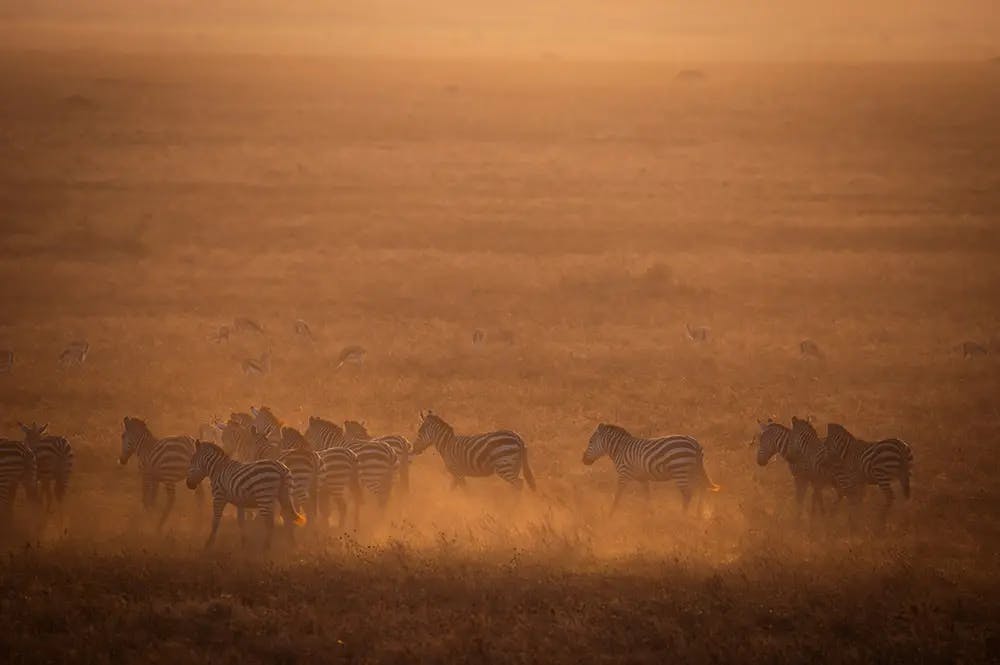
Simple. Scale and spectacle, operating simultaneously, at a level that nothing else on Earth quite matches. The Great Migration alone, over 1.5 million wildebeest plus hundreds of thousands of zebra and gazelle moving in a massive loop through Tanzania and Kenya, is the largest land animal migration on the planet. Witnessing it feels less like wildlife-watching and more like watching the Earth breathe.
But the Serengeti isn't a one-trick park. The Big Five (lion, leopard, elephant, buffalo, rhino) are all present. Cheetahs ghost across open plains. Hippos bellow from murky rivers. On a good morning game drive, you might clock 15 different species before breakfast.
Best Time to Visit the Serengeti for the Great Migration
Timing is everything on a Serengeti safari. The park rewards you year-round, but what you see depends heavily on when you go.
January to March: Calving Season in Ndutu This is arguably the most dramatic time to visit. Around 8,000 wildebeest calves are born every single day in the southern Serengeti and Ndutu area. Predator activity goes through the roof. Lions, cheetahs, and hyenas all capitalize on the abundance. For wildlife photography, this period is unreal.
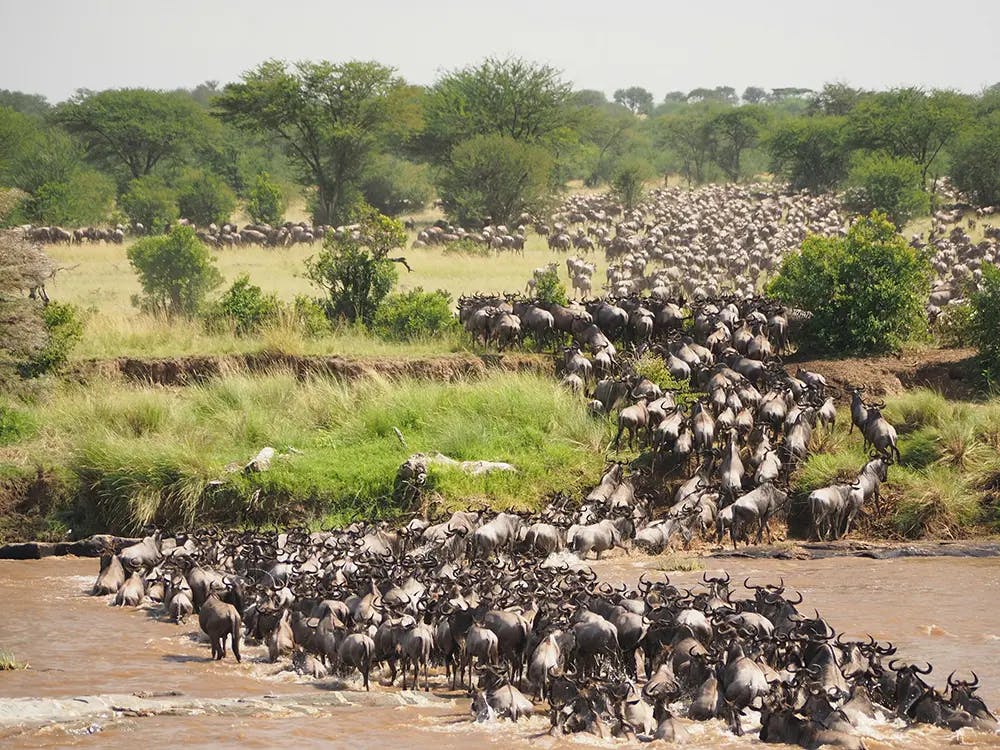
June to July: The Grumeti River Crossing The herds begin pushing north. In June and July, they cross the Grumeti River in the western corridor, where massive Nile crocodiles have been waiting for exactly this moment. It's high drama at its most primal.
August to October: The Mara River Crossings This is peak season and peak spectacle. The Northern Serengeti, near Kogatende, is where the famous Mara River crossings happen. Thousands of wildebeest launch themselves into crocodile-infested waters in waves of blind panic and raw instinct. It's chaotic, dangerous, and completely unforgettable.
November to December: The Green Season Herds drift south again. Crowds thin out, prices drop, and the landscape turns lush and photogenic. Resident wildlife is still abundant, and birding is exceptional.
Best Areas Within the Serengeti: Where to Stay and When
The Serengeti is enormous. Knowing which zone suits your travel window is half the battle.
Seronera (Central Serengeti) The park's geographic and tourism heart. Year-round game is reliably strong here, with lions and leopards particularly well-represented around the Seronera River. It's the best base if you can't nail down a specific migration window.
Ndutu and the Southern Plains Accessible from January through March for calving season. This area technically falls in the Ngorongoro Conservation Area but borders the park. Accommodation is mostly mobile tented camps that relocate with the herds.
Western Corridor (Grumeti) Less visited, which means more exclusivity. From May to July, the Grumeti River crossings here can rival the famous Mara crossings but without the crowds.
Northern Serengeti (Kogatende) Remote, relatively expensive to reach, and absolutely worth it from August to October. This is where the Mara River crossings happen on the Tanzanian side, and the landscape feels wilder and less developed than the central zones.
How to Plan a 7-Day Serengeti Safari Itinerary
Seven days is the sweet spot for a first visit. It gives you enough time to experience different ecosystems, recover from jet lag, and actually decompress into the rhythm of the bush.
A classic itinerary from Arusha looks something like this:
- Day 1: Fly or drive from Arusha to Tarangire National Park for an acclimatization game drive. Elephants everywhere.
- Day 2: Drive through the Ngorongoro Conservation Area. Stop at the viewpoint. It looks fake. It isn't.
- Days 3-5: Serengeti. Based in Seronera or your chosen zone. Morning and evening game drives daily.
- Day 6: Add a hot air balloon safari at dawn over the southern plains.
- Day 7: Fly back to Arusha or connect to Zanzibar.
If you're focused purely on the Great Migration, swap the circuit for a direct fly-in to whichever zone the herds are in, based on the month.
Serengeti Safari Costs and Budget Tips
There's no getting around it: the Serengeti is not a budget destination. But there's a wider range of options than people realize.
Budget tier ($300-$500/day per person): Camping safaris with shared vehicles and basic facilities. The wildlife doesn't care about your tent grade.
Mid-range ($500-$1,000/day per person): Solid tented camps or lodges with en-suite bathrooms, good food, and experienced guides. This is where most international travelers land.
Luxury ($1,000-$3,000+/day per person): Private mobile camps, exclusive conservancies, private vehicle and guide. Six-course dinners under canvas. Cold towels after game drives. The full theatrical production.
Key costs to budget for separately:
- Tanzania national park fees: approximately $70-$80 per adult per day
- International flights to Kilimanjaro or Arusha
- Internal bush flights (recommended to save time)
- Tanzania visa: $50 USD (available on arrival or eVisa online)
- Yellow fever vaccination (required if entering from certain countries, always check current requirements)
Guided Tour vs. Self-Drive Safari: Which Is Right for You?
Self-drive is possible in the Serengeti. It's also a remarkably good way to miss half the wildlife.
A skilled Tanzanian guide isn't just driving you around a park. They're reading the bush. They spot the leopard draped across a branch 200 meters away. They know which pride moved to the kopjes overnight and why. They understand animal behavior well enough to position the vehicle before the action happens rather than after.
For first-timers especially, a guided experience is worth every penny. Look for operators licensed by TALA (Tanzania Association of Tour Operators) and prioritize guides with formal training from institutions like the Tanzania Wildlife College.
What to Expect on a Serengeti Game Drive
Morning drives typically begin before sunrise, around 6:00-6:30 AM, catching the golden hour light and the tail end of nocturnal activity. You might find lions finishing a kill, or leopards descending from trees before the heat sets in.
Evening drives run from around 4:00 PM until sunset. This is the other golden window, when predators become active again and the light turns cinematic.
Midday is slower. Animals shelter from heat, guides often return to camp. This is when you eat lunch, swim if your lodge has a pool, and plan your afternoon.
A standard game drive lasts 3-4 hours. A full-day drive with a packed lunch lets you cover more ground and stay out during the Mara River crossings, which can happen unpredictably.
Serengeti Hot Air Balloon Safari: Is It Worth It?
Yes. Unambiguously, yes.
At around $500-$600 per person, it's one of the more expensive add-ons. It's also entirely different from anything you'll do on the ground. Floating silently over the plains at dawn, watching herds move below you with no engine noise, no roads, no context except sky and savanna, it resets your sense of what's possible.
Flights typically last about an hour and end with a bush champagne breakfast. Booking directly through operators like Serengeti Balloon Safaris or through your lodge is recommended. Availability is limited, so lock it in during your pre-trip planning.
Morning vs. Evening Game Drives in the Serengeti: Which Is Better?
They're different experiences, not competing ones.
Morning drives offer cooler temperatures, higher predator activity, and the best photography light. If you're chasing a specific sighting (a cheetah hunt, a crossing), early morning is your window.
Evening drives are more relaxed. The light is gorgeous again around golden hour, and sunset on the Serengeti is the kind of thing screensavers are made of. Sundowners in the bush, with a gin and tonic and a view that stretches to the curvature of the Earth, are a different kind of magic.
Most itineraries include both. Take both seriously.
Serengeti Safari Packing List: What to Actually Bring
Forget everything you think you know about packing for Africa. Here's what actually matters:
Clothing:
- Neutral colors (khaki, olive, tan). No white, no bright blue, no patterns that distract wildlife.
- Layers. Mornings in the bush can be surprisingly cold, even in summer.
- A lightweight rain jacket. The short rains in November and the long rains in April are real.
- Comfortable, closed-toe shoes for bush walks.
Gear:
- Binoculars. Non-negotiable. A 10x42 pair is ideal.
- Camera with a lens of at least 200mm if you care about wildlife photography.
- Dust-proof bag for your camera and electronics.
- A small day bag that fits under your seat in the vehicle.
Health and documents:
- Yellow fever certificate (required depending on country of origin)
- Malaria prophylaxis (consult your doctor 6-8 weeks before travel)
- Comprehensive travel insurance that covers medical evacuation
- Copies of passport and Tanzania eVisa saved offline
Family-Friendly Safari Lodges in the Serengeti
The Serengeti is better for families than most people assume. Several lodges offer dedicated children's programs, family suites, and vehicles configured for families with young kids.
Standouts include Singita Grumeti (luxury, with excellent family guides), &Beyond Serengeti Under Canvas (flexible, moveable), and Four Seasons Safari Lodge Serengeti (more hotel-like comforts, pool, reliable facilities for younger travelers).
Most camps recommend a minimum age of 6-8 for standard game drives. Walking safaris are typically restricted to adults or teens. Check age policies before booking.
If traveling with kids, check out our Sri Lanka safari experience guide for another excellent wildlife destination that pairs well with Tanzanian itineraries.
Serengeti Safari Safety Tips and Precautions
The Serengeti is genuinely safe for tourists. Wildlife-related incidents are vanishingly rare when basic protocols are followed.
The golden rule: never exit the vehicle during a game drive unless your guide explicitly instructs you to. Animals habituated to vehicles perceive the vehicle as a single, non-threatening unit. The moment a human stands up or steps out, that calculus changes.
Other key points:
- Follow your guide's instructions without negotiation.
- Don't hang limbs out of windows in predator territory.
- After dark, walking between camp structures requires a guide escort.
- Carry personal medical insurance that covers emergency medevac to Nairobi or Arusha.
The biggest real-world safety concern for most travelers is actually road quality on overland routes, and the risk of mosquito-borne illness. Both are manageable with the right preparation.
Serengeti vs. Masai Mara: How They Compare
Both parks host the Great Migration. The wildebeest don't recognize the border between Tanzania and Kenya, and neither should your decision-making.
The Masai Mara is smaller, more accessible from Nairobi, and generally cheaper. It's excellent, but it's also more crowded during peak season, and vehicle numbers at crossing points can undercut the wilderness feeling.
The Serengeti is larger, wilder, and more varied in its zones and ecosystems. The southern calving season is a Serengeti-exclusive experience. The sheer scale of the northern Serengeti during August crossings is unmatched.
If you can only choose one, the Serengeti edges it for depth and diversity. If you can do both on a combined Tanzania-Kenya itinerary, do both.
How to Get to Serengeti National Park from Arusha or Kilimanjaro
Most international visitors fly into Kilimanjaro International Airport (JRO) or Julius Nyerere International Airport in Dar es Salaam.
From Kilimanjaro, Arusha is about an hour's drive and serves as the main gateway city for northern Tanzania safaris. From Arusha, you have two options:
Overland: The drive to the Serengeti takes roughly 7-8 hours via the Ngorongoro Conservation Area. It's scenic but long. Best combined with a park stop en route.
Bush flight: Small charter planes connect Arusha's Kilimanjaro Regional Airport to multiple Serengeti airstrips (Seronera, Kogatende, Grumeti). Flights take 45-90 minutes. Worth every dollar for longer itineraries.
For practical tips on managing multi-leg journeys through developing-world transport infrastructure, our guide on how public transport works in Asia's biggest cities covers some universal principles that apply to complex travel logistics worldwide.
Serengeti Safari for Beginners: What First-Timers Need to Know
The single biggest mistake first-time safari travelers make is under-planning. A safari isn't a package holiday where you can wing it on arrival. Camps book out 6-12 months in advance for peak season. The best guides fill up first. Migration zones shift, and being in the wrong area at the wrong time is a genuinely costly mistake.
Start planning at least 9 months before your target travel date. Work with a specialist Tanzania operator rather than a generic travel agent. Be honest about your budget, your tolerance for roughing it, and whether you care more about exclusivity or value.
The other thing first-timers underestimate is how profoundly the Serengeti changes you. It's not a backdrop. It's not content for Instagram. It's a reminder that we share this planet with creatures that have been here far longer than us, living by rules we barely understand. Give it the time and attention it deserves.
And if you're exploring other remarkable wildlife destinations, don't overlook Africa's southern neighbor for safari experiences, where leopards roam ancient forests at a fraction of the cost.
Frequently Asked Questions
How long should a Serengeti safari be? A minimum of 4-5 days in the park itself, but 7-10 days for a full Tanzania circuit including Ngorongoro, Tarangire, and Zanzibar for a beach finale is the gold standard.
Do I need a visa for Tanzania? Yes. Most nationalities can obtain a Tanzania eVisa online in advance ($50 USD) or on arrival. Check current requirements from your country before traveling.
What are the Serengeti National Park entry fees? Currently approximately $70-$80 per adult per day, paid through the TANAPA system. Your operator typically handles this as part of the package price.
Is malaria a risk in the Serengeti? Yes. The Serengeti is a malaria zone. Consult a travel health clinic 6-8 weeks before departure for appropriate prophylaxis and ensure your accommodation uses mosquito nets and spray.
Can I combine the Serengeti with a beach stay? Absolutely. Zanzibar is 45 minutes by flight from Kilimanjaro and makes a perfect counterpoint to a bush safari. Fly from the Serengeti directly to Zanzibar via small charter.
The Serengeti Is Waiting. Don't Wait Too Long.
The Serengeti rewards those who commit. It rewards those who plan thoughtfully, choose their guides carefully, and arrive with genuine curiosity rather than just a checklist. It's one of the last places on Earth where nature still operates at full volume, uncurated and unfiltered.
Your Serengeti safari guide starts here, but the real journey starts the moment you book. Research operators, nail your timing, pack light, and prepare to have your perspective permanently recalibrated.
The plains are waiting. The lions are already awake.
Ready to plan smarter? Browse our full collection of destination and travel planning guides at Natouris.com.
Share this article