
Skip Bali in 2026: Why Laos Is Southeast Asia's Best Kept Secret

 https://images.prismic.io/natouris/aZnwwMFoBIGEgnko_SkipBaliin2026WhyLaosIsSoutheastAsiasBestKeptSecretThumbnail.webp?auto=format,compress&rect=0,17,1000,525&w=1200&h=630
Bali has a branding problem. Not a bad one, exactly, but a crowded one. If you've scrolled through travel Instagram lately, you already know what Ubud looks like at sunrise, and you know you won't be the only one there. So here's the honest pitch: Laos is Southeast Asia's best kept secret, and in 2026, it's quietly becoming the most compelling alternative on the continent. Ancient temples without the selfie sticks. Mekong sunsets without a cover charge. Mountain eco-lodges that cost less per night than your airport lunch. This guide is your complete roadmap to Southeast Asia's only landlocked country, and why skipping Bali this year might be the smartest travel decision you make.
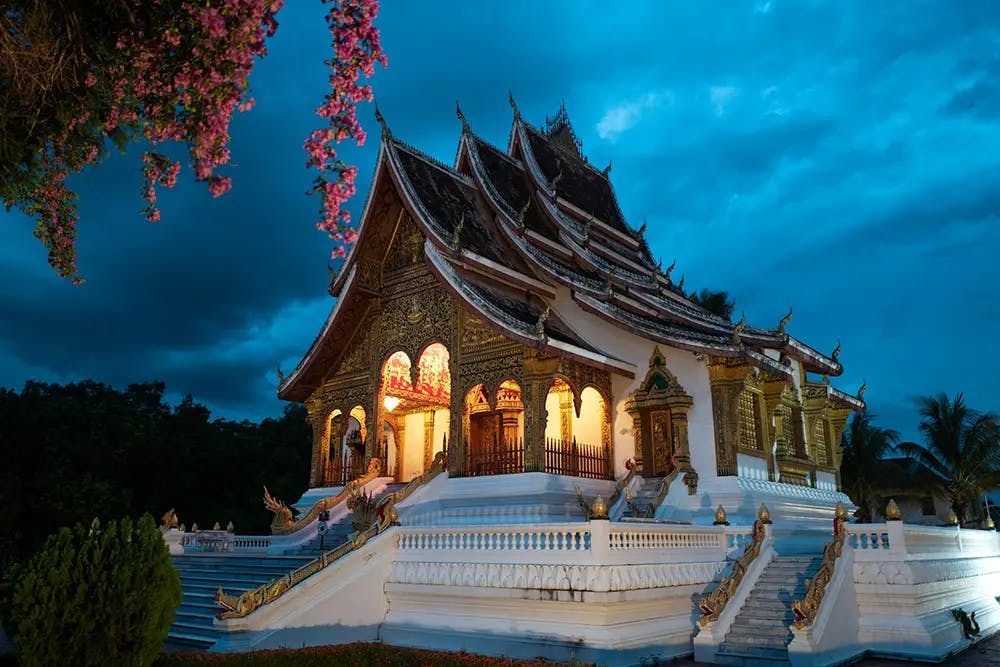
What Makes Laos Unique in Southeast Asia?
Let's start with geography, because it tells you everything. The Lao People's Democratic Republic is the only landlocked country in Southeast Asia, bordered by China to the north, Vietnam to the east, Cambodia to the south, Thailand to the west, and Myanmar to the northwest. No coast. No beach clubs. No overpriced sunset cocktails served to 400 tourists at once.
That geographic isolation, sitting deep within the Indochinese Peninsula, is exactly what preserved Laos. While Thailand built a tourism machine and Bali became a lifestyle brand, Laos just... existed. French colonial architecture quietly crumbling in the best way. Buddhist monks sweeping temple courtyards at dawn. Villages along the Mekong River where the 21st century arrives on its own schedule.
Laos is unique among Southeast Asian countries for several reasons beyond just being landlocked:
- It has the lowest population density in Southeast Asia
- Over 60% of the country is covered by mountains and forests
- Vientiane, the capital, is one of the smallest and most relaxed capital cities in the world
- Buddhism permeates daily life in a way that feels lived-in, not performed for tourists
- The Lao language, part of the Tai-Kadai family, is spoken by around 7 million people and shares roots with Thai, but sounds softer, almost musical
This isn't Southeast Asia's forgotten gem so much as its deliberately overlooked one. And the travelers who've found it tend to come back.
Getting There and Around Laos in 2026
Flight Routes from the US and UK
No direct flights exist from the US or UK to Laos, but the connections are easier than you'd think. From the United States, the most efficient routing goes through Bangkok (BKK) or Hanoi (HAN), with total journey times around 20-24 hours. Thai Airways, Vietnam Airlines, and Lao Airlines all operate the final leg into Wattay International Airport in Vientiane or Luang Prabang International Airport.
From the UK, Bangkok is again the primary hub, with frequent connections on British Airways, Thai Airways, and Emirates via Dubai. Budget-conscious travelers can often find better fares routing through Kuala Lumpur on AirAsia.
Approximate flight costs (economy, round trip):
Route Low Season High Season New York > Vientiane (via BKK) $650-$850 $900-$1,200 London > Luang Prabang (via BKK) £550-£750 £800-£1,100 Los Angeles > Vientiane (via HAN) $600-$800 $850-$1,100
The Laos-China High-Speed Rail: A Game Changer
Here's the travel story most people missed. The Laos-China Railway, which opened in late 2021 and has steadily expanded its services since, now connects Vientiane to Luang Prabang in under 2 hours. That's a journey that used to take 6-8 hours by road, through mountain switchbacks that tested even the most enthusiastic adventurers.
The trains are clean, air-conditioned, punctual, and genuinely pleasant. Tickets cost between $10-20 USD for the Vientiane-Luang Prabang leg. For context, a comparable rail journey in Europe would cost five times that. The line continues north through Vang Vieng (now a legitimate culture destination, not just a party town) and eventually crosses into China at Boten.
For getting around Laos beyond the rail line, options include:
- Songthaews (shared pickup trucks): Cheap, local, and an experience in themselves
- Tuk-tuks: For short city hops; negotiate before you get in. Our guide to how public transport works in Asia's biggest cities has practical tips that apply across the region
- Rented scooters: Ideal for exploring Luang Prabang's surrounding villages; expect to pay $8-12/day
- Slow boats on the Mekong: The two-day journey from the Thai border to Luang Prabang remains one of Southeast Asia's great travel experiences, slow and gorgeous in equal measure
Laos Visa: What You Need to Know
Most Western travelers, including US, UK, and EU passport holders, qualify for a visa on arrival or can apply for an e-visa online. The e-visa process takes 3-5 business days, costs around $35-50 USD, and covers a 30-day single-entry stay. Extensions are straightforward and inexpensive once you're in-country. This is genuinely one of the simpler visa processes in the region.
Where to Stay: Eco-Lodges and Bamboo Retreats That Shame Bali on Price
Bali's luxury market has matured to the point where a decent private-pool villa costs $300+ per night. Laos hasn't reached that inflection point, and the smart money says it won't for several years. Right now, you can sleep exceptionally well for very little.
Luang Prabang: The Heritage Town
Luang Prabang is a UNESCO World Heritage Site and the undeniable heart of Laos tourism. The accommodation options here range from guesthouses at $15/night to genuinely lovely boutique properties for $80-150/night. For that price point, you're getting a private room with an infinity pool view, breakfast included, and staff who actually know your name by day two.
Recommended stay types:
- Colonial-era boutique hotels: Restored French villas converted into 8-12 room properties. Atmospheric, intimate, excellent value
- Riverside eco-lodges: Properties built from local materials on the Nam Khan River, often with garden restaurants serving Lao-French fusion
- Monastery guesthouses: A handful of temples offer basic but clean accommodation for around $10-15/night, with the experience of waking to monks chanting at 5am
Beyond Luang Prabang: Mountain and Village Stays
Venture north into Phongsali province or east toward the Plain of Jars in Xieng Khuang, and the accommodation becomes rawer, cheaper, and considerably more interesting. Trekking lodges in hill tribe villages charge $20-30/night for full board, meaning meals cooked by local families using produce from their own gardens. It's the kind of experience that travel magazines used to call "authentic" before the word got ruined.
A quick comparison to put things in perspective:
| Category | Laos (avg/night) | Bali (avg/night) |
|---|---|---|
| Budget guesthouse | $10-$20 | $25-$50 |
| Mid-range boutique | $50-$100 | $120-$250 |
| Luxury eco-lodge | $100-$180 | $300-$600 |
Is Laos Safe for Tourists?
Short answer: yes, with the usual Southeast Asia caveats. Laos is considered one of the safer destinations in the region for international travelers. Violent crime against tourists is rare. The primary concerns are the same as anywhere in Southeast Asia: petty theft in busy markets, road safety (traffic can be chaotic, especially on mountain roads), and the legacy of unexploded ordnance (UXO) in certain rural areas, particularly in the eastern provinces near the Vietnam border.
On the UXO issue, you should be informed, not alarmed. Stick to established trails, travel with reputable guides in rural areas, and do not stray into fields or jungle areas without local knowledge. Organizations like MAG (Mines Advisory Group) have done significant clearance work, and most tourist areas are considered safe.
Solo female travelers generally report feeling comfortable in Laos. The culture is reserved and respectful, and aggressive touts are far less common than in Thailand or Vietnam. That said, standard precautions apply: dress modestly near temples, be cautious at night in less-populated areas, and trust your instincts. For a broader perspective on solo female travel in Asia, our guide to the best Asian countries for first-time solo female travelers covers what you need to know before you go.
The Best Time to Visit Laos
Laos has two main seasons, and understanding them is key to planning a good trip.
November to February (Cool/Dry Season) is peak season and the most comfortable time to visit. Temperatures range from 15-28°C (59-82°F), humidity is manageable, and skies are reliably clear. Luang Prabang can get cool at night in December and January, so pack a light layer.
March to May (Hot/Dry Season) brings intense heat, particularly in the lowlands and Vientiane. Temperatures can hit 38°C+ (100°F+). The upside: this is when northern mountain areas are most accessible, and tourist numbers drop significantly.
June to October (Wet Season) transforms the country. The Mekong River swells, waterfalls like Kuang Si reach their spectacular peak, and the landscape turns an almost aggressive shade of green. Some rural roads become impassable. But accommodation prices drop 30-40%, and the atmosphere is genuinely magical if you don't mind the occasional afternoon downpour.
For most first-time visitors, November through February offers the most straightforward experience.
The 7-Day Laos Itinerary: Ancient Caves, Crowd-Free Temples, and Mekong Magic
This itinerary is designed around the high-speed rail and the country's most rewarding highlights, optimized to avoid crowds while still hitting the essential stops.
Day 1-2: Luang Prabang
Arrive and resist the urge to immediately do everything. Luang Prabang rewards a slow pace. On day one, walk the peninsula where the Nam Khan meets the Mekong and let the rhythm of the place settle over you. Visit Wat Xieng Thong, arguably the most beautiful temple in Laos, in the late afternoon when the light turns the gold mosaic work amber.
Day two: wake up early (pre-6am) for the Tak Bat, the alms-giving ceremony where saffron-robed monks walk silently through the streets collecting food from locals. Watch respectfully from a distance, don't photograph with flash, and resist any tour operator who tries to sell you sticky rice to "participate." It's a religious practice, not a tourist attraction.
Afternoon: head to Kuang Si Waterfall, 29km from town. The turquoise tiered pools are genuinely as beautiful as the photos suggest, and weekday mornings are significantly quieter than weekends.
Day 3: Pak Ou Caves
Take a boat upriver from Luang Prabang to the Pak Ou Caves, two limestone caverns at the confluence of the Mekong and Nam Ou rivers, filled with thousands of Buddha images left by pilgrims over centuries. The journey takes about 2 hours each way and the river scenery alone is worth it. Visit the Ban Xang Hai village on the way back, known for its rice whiskey production, which is decidedly more interesting than it sounds.
Day 4: Vang Vieng (by High-Speed Rail, 1.5 hours)
Board the morning train south. Vang Vieng spent years as Southeast Asia's party circuit cautionary tale, but a government cleanup and the arrival of the railway have repositioned it as an adventure and nature destination. The limestone karst landscape here is staggering, all vertical green towers reflected in still river water.
Recommended activities: kayaking the Nam Song River, cycling to the Blue Lagoon (arrive before 10am), or hiking up to Pha Ngern viewpoint for arguably the best landscape photograph you'll take in Laos.
Day 5-6: Vientiane (by High-Speed Rail, 2 hours)
Vientiane has the vibe of a small European city that got lost and ended up on the Mekong. It's genuinely weird and wonderful. The Patuxai monument is an Arc de Triomphe replica built from US-donated cement intended for a runway, which tells you everything you need to know about the city's quirky, post-colonial energy.
Key stops: Pha That Luang (the national symbol, a golden stupa that dates to the 3rd century BC in its original form), the morning market at Talat Sao, and the riverside promenade at sunset. Eat at any of the local restaurants along Rue Setthathirath for excellent Lao-French fusion at a fraction of what you'd pay in Bangkok.
Day six: day trip to Buddha Park (Xieng Khuan), a surrealist sculpture garden on the Mekong filled with enormous Buddhist and Hindu figures. It was built in the 1950s by a self-styled holy man and feels like a fever dream. Completely unmissable.
Day 7: Departure or Extension
Fly out from Wattay Airport, or if you're extending the trip, consider heading north by train toward Phongsali for trekking in Akha and Khamu hill tribe territory. The further north you go, the less infrastructure and the more rewarding the experience, provided you're comfortable traveling with uncertainty.
The Laos Digital Nomad Case
For location-independent workers, Laos is starting to make serious sense. Cost of living in Luang Prabang or Vientiane runs significantly lower than Bali, Chiang Mai, or Ho Chi Minh City. A comfortable apartment with reliable wifi runs $300-500/month. Coworking spaces exist in both main cities, though the scene is smaller and less developed than Thailand.
The bigger draw is the mental space. Laos moves slowly. Slow enough that you might actually get work done instead of scheduling your third yoga class of the week. If you're building out a passive income strategy as a digital nomad in 2026, a lower cost base and fewer distractions can make a meaningful difference to your numbers.
Mobile data is reliable in urban areas (use LaoTelecom or Unitel SIM cards, available at the airport) and improving in smaller towns as the railway brings infrastructure investment with it.
What to Eat in Laos
Lao cuisine doesn't get nearly enough attention, and that's a crime. The flavor profile is lighter than Thai food, less complex than Vietnamese, but with a depth that comes from fermented fish paste, fresh herbs, and sticky rice that you'll eat with your hands at every single meal.
Must-try dishes:
- Larb: A minced meat salad with fish sauce, lime, toasted rice powder, and mint. The national dish by most accounts
- Mok Pa: Fish steamed in banana leaves with lemongrass and galangal. Find it at any riverside restaurant
- Or Lam: A thick Luang Prabang stew with wood ear mushrooms, buffalo skin, and wild greens. Deeply strange and deeply good
- Khao Niao: Sticky rice. It comes with everything, eaten with your hands, and you will miss it when you leave
Street food is safe, abundant, and excellent. The night market in Luang Prabang offers a buffet-style spread of local dishes for around $1-2 per plate.
Should You Skip Bali for Laos in 2026?
Yes. With conditions. Laos is not for everyone, and it's worth being clear about that.
If you want a beach, Laos cannot help you. It is, after all, Southeast Asia's only landlocked country. If you need reliable 5G and a SoulCycle studio, keep dreaming. If the concept of a 6-hour slow boat without wifi sounds like a form of punishment rather than a gift, Bali's villa infinity pools await.
But if you're after something real. If you want to walk through ancient temples where the incense smoke is for the monks, not the ambiance. If you want to eat at a wooden table by the Mekong and watch the sun drop behind the mountains and feel, for a moment, like you actually found something. Laos delivers that, repeatedly, and at a price point that makes you feel smart rather than spent.
Southeast Asia's best kept secret won't stay secret forever. The high-speed rail is open. The word is getting out. The window between "discovered" and "overrun" is exactly where Laos sits right now in 2026. That window doesn't stay open.
Book the flight. Take the train. Eat the larb.
Frequently Asked Questions About Visiting Laos
Is Laos the only landlocked country in Southeast Asia? Yes. Laos is the only landlocked nation in Southeast Asia, bordered by China, Vietnam, Cambodia, Thailand, and Myanmar.
What countries border Laos? Laos shares borders with five countries: China (north), Vietnam (east), Cambodia (south), Thailand (west), and Myanmar (northwest).
Do I need a visa to visit Laos? Most US, UK, and EU travelers can obtain a visa on arrival or apply online for an e-visa. The process takes 3-5 days and costs approximately $35-50 USD for a 30-day stay.
What is the best time to visit Laos? November to February offers the most comfortable conditions: dry weather, cooler temperatures, and clear skies. The wet season (June-October) delivers dramatic scenery at lower prices.
What language is spoken in Laos? The official language is Lao, spoken by around 7 million people. English is widely understood in tourist areas, particularly in Luang Prabang and Vientiane.
Is Laos safe for tourists? Yes. Laos is considered one of Southeast Asia's safer destinations. The main considerations are road safety and, in certain rural eastern provinces, the legacy of unexploded ordnance. Stick to established routes and travel with reputable guides in remote areas.
Ready to explore more of Asia off the beaten path? Check out our guide to Asia's top destinations for 2026 for more inspiration beyond the obvious itineraries.
Share this article