
Hidden Beaches Thailand: 15 Secret Shores

 https://images.prismic.io/natouris/aYsZnN0YXLCxVpYj_HiddenBeachesThailand15SecretShoresThumbnail.webp?auto=format,compress&rect=0,17,1000,525&w=1200&h=630
You've seen the Instagram posts. Maya Bay drowning in selfie sticks. Railay Beach looking more like a beach club in Mykonos than a Thai paradise. The brochures promised pristine sand and crystal water, but what you got was a conga line of tourists and the persistent smell of banana boat fuel.
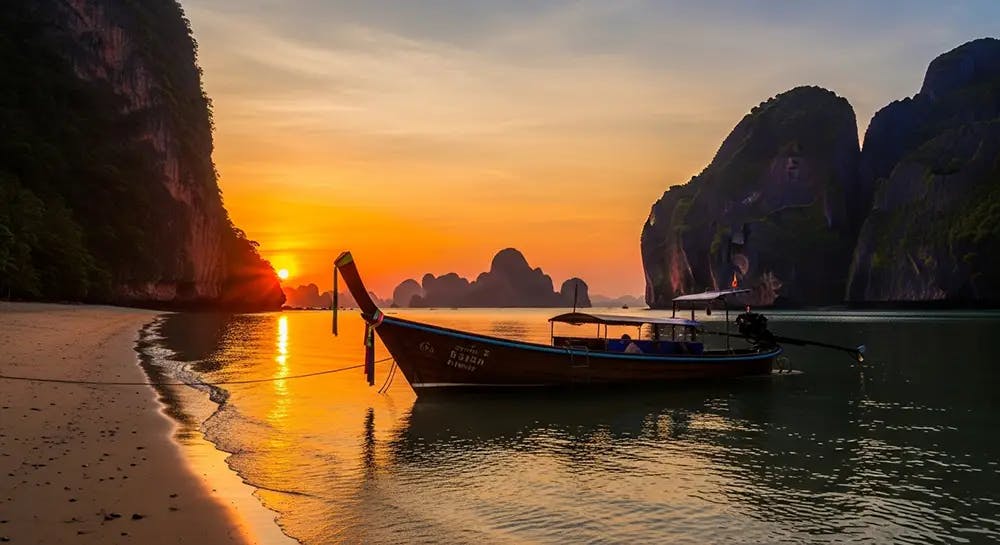
Here's the truth: Thailand's most beautiful hidden beaches aren't the ones plastered across travel magazines. These secret beaches Thailand travelers whisper about require a longtail boat, a sense of adventure, and willingness to wake before dawn. This guide reveals 15 secluded beaches Thailand hasn't plastered across every travel blog yet from Krabi hidden beaches to Trang's untouched shores, including pristine beaches Thailand locals still claim as their own.
These aren't just "less crowded" alternatives. These are the beaches where local fishermen still moor their boats at sunrise, where you might be one of five people on the entire stretch of sand, and where the only soundtrack is waves breaking against limestone cliffs. Some require boat access. Others demand a hike through jungle paths. All of them reward you with what you came to Thailand searching for in the first place.
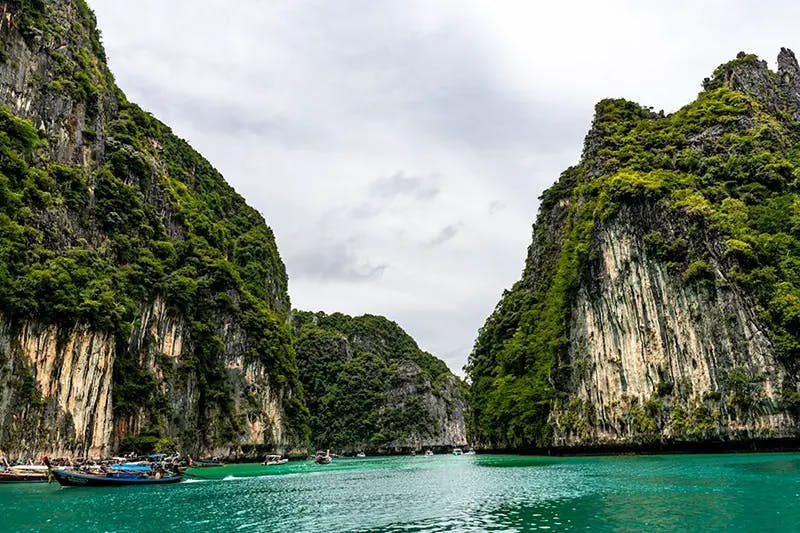
Why Thailand's Secret Beaches Are Worth the Extra Effort
The gap between crowded and secluded has never been wider in Thailand. While tour operators pack hundreds onto Phra Nang Beach daily, beaches 20 minutes away by boat remain almost empty. The reason? Most travelers don't look beyond the first Google result.
Hidden beaches in Thailand typically share three characteristics. First, they lack easy road access, meaning no tour buses can dump 50 people at once. Second, they're geographically protected by islands, reefs, or cliffs that limit development. Third, they often sit within national park boundaries or on islands with limited infrastructure.
The payoff extends beyond elbow room. These secluded beaches Thailand offers showcase ecosystems largely untouched by mass tourism. You'll snorkel above coral reefs where parrotfish actually outnumber humans. You'll watch monitor lizards lumber across sand unmarked by beach chairs. You'll experience Thailand as it existed before the airport expansion.
But there's a responsibility that comes with this access. These fragile coastlines remain pristine precisely because they haven't been loved to death yet. Bringing your own trash bags, using reef-safe sunscreen, and respecting wildlife aren't optional niceties. They're the admission price.
The Andaman's Best-Kept Secrets: Krabi and Trang
Ao Nang's Shadow: Railay's Forgotten Sister Beaches
Everyone knows Railay. Fewer people realize that the limestone peninsula hiding it also conceals several Thailand beaches off the beaten path that see a fraction of the traffic.
Tham Phra Nang Beach gets the glory, but walk 15 minutes south during low tide and you'll reach Phranang Cave Beach's far end, where the crowds thin dramatically. The real prize sits on the opposite side of the peninsula: Ton Sai Beach. Yes, climbers know it well, but its eastern corner remains remarkably quiet, especially during weekday mornings.
For genuine isolation, hire a longtail from Railay West to Laem Phra Nang, the cape's southern tip. The beach here exists in a category of its own: 200 meters of sand tucked between towering cliffs, accessible only by boat or a genuinely sketchy rock scramble I can't in good conscience recommend. But that boat ride? Twenty minutes and 300 baht. Worth every satang.
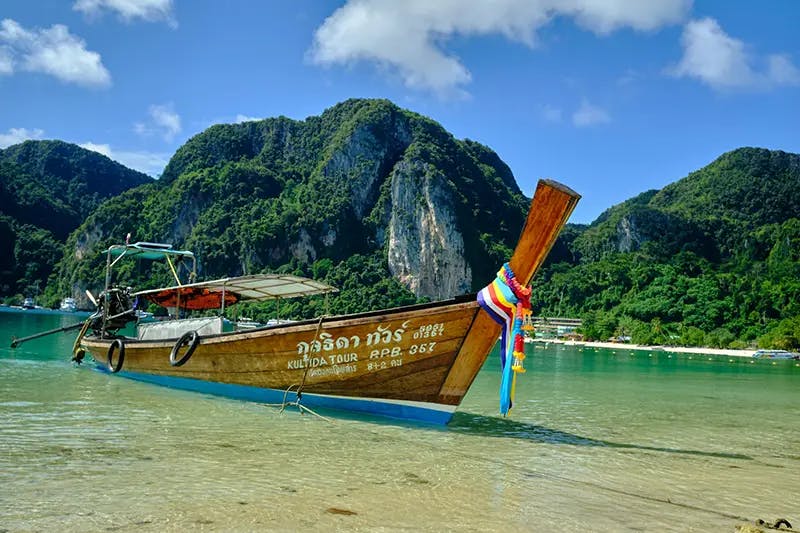
Krabi Hidden Beaches: The Islands Time Forgot
The Four Islands Tour deposits thousands daily on Poda Island and Chicken Island. Savvy travelers skip the package deal and charter their own longtail to the Krabi hidden beaches tourists miss.
Koh Hong sits inside Than Bok Khorani National Park, which means park fees (200 baht for foreigners) but also means regulations that limit daily visitors. The lagoon everyone photographs is spectacular, but row your kayak around the island's western edge and you'll find Hong Beach, a quiet crescent where hornbills call from the canopy above.
Further south, Koh Lao Liang requires commitment. This twin-island cluster sits 40 kilometers offshore, meaning most day-trippers can't reach it. The few who make the journey find vertical limestone walls rising from turquoise water, coral gardens 10 meters from shore, and beaches where you might spot dugongs grazing on seagrass beds during early morning hours.
The secret everyone in Krabi whispers? Ao Nui Beach. Road accessible but hidden behind dense vegetation, this 400-meter stretch rarely sees more than a handful of visitors. The northern end offers the best snorkeling, with reef fish congregating around submerged rocks. Pack your own food; there's one small restaurant that keeps irregular hours.
Trang's Emerald Coast: Where Guidebooks Haven't Caught Up
Trang Province remains Thailand's coastal blindspot. While travelers flock to Krabi, Trang's beaches and islands maintain an almost aggressive level of peace.
Koh Muk's Emerald Cave gets press, but the island's eastern beaches remain gloriously undiscovered. Farang Beach (yes, really) and Sivalai Beach on Koh Muk's quieter side offer the powder-soft sand and clear water everyone seeks, minus the beach clubs. Accommodation here skews toward budget guesthouses and small resorts run by families who've fished these waters for generations.
Koh Kradan deserves special mention among Trang hidden beaches. The entire eastern shoreline reads like a love letter to what Thai beaches used to be: minimal development, reef systems starting meters from shore, and water so clear you can watch leopard sharks cruise the shallows from your beach towel. The catch? No ATMs, limited electricity, and accommodations that close during monsoon season. This isn't a limitation. It's a feature.
For pristine beaches Thailand rarely advertises, head to Koh Chueak. This tiny island sees perhaps 20 visitors daily, mostly snorkelers targeting the reef on the northern tip. There's no overnight accommodation, no restaurants, and no cell service. Bring everything you need. You won't want to leave.
Phang Nga's Hidden Shorelines: Beyond James Bond Island
The Cave Beaches No One Mentions
Phang Nga Bay's limestone karsts hide more than just caves. They conceal entire beaches accessible only through sea tunnels and collapse chambers.
Koh Panak's Bat Cave Beach requires timing your arrival with low tide and a longtail driver who knows the route. You'll motor into what appears to be a solid rock wall, then emerge into a hidden lagoon ringed by mangroves and a small beach where swiftlets nest in the cave ceiling above. Go late afternoon when tour boats have departed. The silence feels almost aggressive.
Hong Island (not to be confused with Krabi's Koh Hong) presents differently. The main beach fills with kayakers by midday, but paddle around to the island's eastern side and you'll find Lao Lading Beach, a strip of sand where you'll likely be alone save for occasional fishermen checking crab pots.
The real insider move? Hire a kayak guide to explore the Ao Phang Nga National Park's eastern sector. These routes thread through channels between karsts, emerging onto pocket beaches with names known only to locals. Most tours stick to the western islands near Phuket. The eastern routes reward early risers willing to paddle.
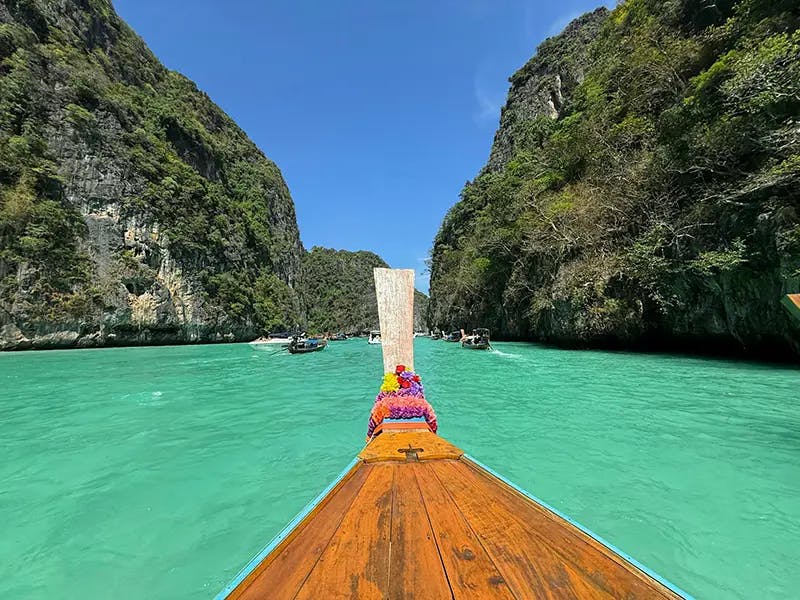
Similan and Surin: When "Famous" Still Means Isolated
Yes, the Similan Islands receive divers year-round. But these nine islands also hide quiet beaches Thailand's diving reputation overshadows.
Koh Miang's Beach #2 sees dramatically fewer visitors than the main beach. The hike over the island's ridge takes 15 minutes through forest where you might spot flying lemurs, and the beach on the far side offers some of the Andaman's best snorkeling right from shore. Blacktip reef sharks cruise the shallows here during high tide.
Even more remote: Koh Tachai. Technically part of the Surin Islands group, this island closed to camping several years ago to protect nesting sea turtles. Day visits remain permitted, but the journey from Khao Lak takes 90 minutes by speedboat, filtering out most casual beach-goers. What remains? A 700-meter beach of sand so fine it squeaks, backed by forest where you'll hear gibbons calling.
Koh Bon sits between the Similans and Surin, visited primarily by liveaboard dive boats. But its eastern beach accommodates day-trippers willing to make the journey. The underwater topography here differs from the granite boulders typical of the Similans, featuring coral walls that drop into the blue. Surface interval on that beach, and you'll understand why some divers never bother going deeper than 5 meters.
The Gulf's Quieter Side: Koh Samui's Neighbors
Beyond Full Moon: Koh Phangan's Secret Corners
Koh Phangan's reputation as party island obscures a reality: 70% of its coastline remains remarkably peaceful.
Bottle Beach (Haad Khuad) technically isn't hidden anymore, but its boat-only access keeps crowds manageable. The real secret? Walk 10 minutes north from Bottle Beach to Haad Khom, a tiny cove that sees perhaps a dozen visitors daily. Swimming gets tricky during monsoon swells, but May through October, when most tourists flee, delivers perfect conditions.
The island's eastern coast harbors genuine secrets. Than Sadet Beach requires a bumpy scooter ride down a road that deteriorates annually, filtering out most travelers. Those who persist find a beach where King Rama V bathed during royal visits, marked by inscriptions carved into riverside rocks. Go midweek. You'll have it to yourself.
Haad Yao East differs entirely from its developed western namesake. This curved bay on Koh Phangan's remote northeastern corner sees so little traffic that coral has reclaimed much of the shallow water. The single restaurant operates on island time, meaning lunch might arrive in 30 minutes or 90. Adjust your expectations accordingly.
Practical Intelligence: Reaching Thailand's Hidden Beaches
Transportation Strategies for Boat-Access Beaches
Most boat access only beaches Thailand guards require negotiation, not booking. The process follows a pattern: identify your target beach, head to the nearest fishing village or tourist beach, and approach longtail drivers directly. Expect to pay 800-1,500 baht for a half-day charter covering multiple beaches. Split costs between travelers if possible.
Timing matters. Departing by 8 AM lets you reach beaches before day tours arrive. Returning by 3 PM avoids afternoon weather systems that develop during hot season. During monsoon months (May through October on the Andaman side, November through December in the Gulf), many hidden beaches become genuinely inaccessible due to swells.
Chartered longtails provide flexibility that ferry schedules don't. You can ask drivers to modify routes, add stops, or extend time at specific beaches. Building rapport helps. Learn a few Thai phrases. Ask about the driver's family. These conversations often unlock local knowledge that guidebooks miss.
For islands with limited accommodation, consider the day-trip approach. Base yourself in accessible hubs like Krabi Town, Trang, or Khao Lak, then venture to secluded beaches Thailand offers without wrestling with limited island infrastructure.
Seasonal Considerations and Weather Windows
The best time to visit hidden beaches Thailand protects varies by coast. Andaman Sea destinations (Krabi, Trang, Phang Nga) deliver optimal conditions November through March. Seas calm, visibility improves, and daily weather patterns follow predictable scripts: clear mornings, possible afternoon clouds, dry evenings.
April through October brings monsoon swells to the Andaman coast. Many islands close entirely. Boat access becomes dangerous. But shoulder months (November and April) offer an interesting trade-off: occasional rain, significantly fewer tourists, and dramatic skies for photographers.
Gulf coast islands like Koh Phangan follow inverse patterns. November and December see the most rain, while February through June deliver premium beach weather. However, even during "bad" months, weather often breaks by late morning, providing workable beach windows for those willing to gamble.
Tide cycles matter more than most travelers realize. Beaches backed by reefs become inaccessible during low tide when coral heads break the surface. Others reveal sandbars at low tide that create natural pools for swimming. Check tide charts before committing to boat charters. Local drivers know these patterns intimately.
Safety, Snorkeling, and Environmental Responsibility
Safe Swimming at Secluded Beaches
Are hidden beaches safe for swimming and snorkeling? The honest answer: it depends. Unlike developed beaches with lifeguards and warning flags, secluded beaches require personal risk assessment.
Look for current indicators: ripples moving consistently in one direction signal currents. Water distinctly darker than surrounding areas often indicates channels or drop-offs where currents concentrate. When in doubt, ask local boat drivers. They know which beaches turn dangerous during different tide cycles.
Box jellyfish season (roughly October through March, varying by location) demands respect. These translucent creatures deliver stings that range from painful to life-threatening. Wear rash guards or thin wetsuits. Don't swim in murky water where visibility drops below 2 meters. If stung, pour vinegar on the affected area immediately, then seek medical attention.
Most quiet beaches in Thailand lack rescue infrastructure. Tell someone your plans before heading to remote beaches. Bring a charged phone in a waterproof case. Don't swim alone. These aren't paranoid precautions. They're basic risk management.
The snorkeling hidden beaches Thailand offers ranges from world-class to mediocre. Krabi and Trang's reefs typically deliver better visibility and diversity than Phang Nga's murkier waters. Similan and Surin Islands operate in a different category entirely, with underwater visibility often exceeding 25 meters.
Environmental Best Practices for Fragile Ecosystems
How can I minimize environmental impact when visiting fragile coastlines? Start with the basics, then go further.
Reef-safe sunscreen isn't optional. Oxybenzone and octinoxate destroy coral polyps. Brands like Stream2Sea, Raw Elements, and Badger offer effective alternatives. Better yet: wear UV rashguards and wide-brimmed hats, minimizing sunscreen needs entirely.
Trash discipline separates responsible travelers from destructive ones. Pack a lightweight bag dedicated to collecting waste. This applies to your own trash and debris you find. Those pristine beaches Thailand rarely advertises stay pristine only through active care.
When snorkeling, avoid touching coral. Period. "Just steadying yourself" on brain coral crushes decades of growth. Maintain neutral buoyancy or swim in deeper water. Feeding fish disrupts ecosystems and creates aggressive behavior. That bread or banana you brought? It's polluting the very environment you came to enjoy.
The question "which hidden beaches are suitable for families vs. backpackers" misframes the issue. It's not about traveler type. It's about willingness to respect fragile environments. Families who follow leave-no-trace principles cause less damage than backpackers who don't.
Accommodations and Day-Trip Logistics
Where to Base Yourself
Are there nearby accommodations or day-trip options for remote beaches? The short answer: sometimes, but planning is essential.
Islands like Koh Kradan and Koh Muk in Trang offer basic to mid-range accommodations, but book ahead during high season (December through March). Many small resorts close entirely during monsoon months. Confirm operating dates before planning trips.
For maximum flexibility, base yourself on mainland hubs. Krabi Town provides easy boat access to the province's hidden beaches while offering superior food and accommodation variety compared to beach zones. Trang Town serves a similar function for Trang's islands, with ferry terminals at Pak Meng and Hat Yao piers.
The day-trip approach works for most secluded beaches near Phuket and beaches in Phang Nga Bay. Khao Lak serves as an excellent base for Similan and Surin expeditions, with dive shops offering day trips for non-divers seeking beach access.
Lesser-known beaches Trang Krabi shares often require overnight stays if you want to experience them beyond tour hours. Arriving as day-trippers depart transforms these destinations entirely. The same beach that felt moderately busy at 2 PM becomes your private paradise by 5 PM.
What to Pack for Off-Grid Beach Days
What should I pack for a day at a less-crowded beach? Think self-sufficiency.
Essentials:
- Water (minimum 2 liters per person)
- Snacks or lunch (assume no food available)
- Reef-safe sunscreen and UV rashguard
- Basic first aid kit (bandages, antiseptic, antihistamines)
- Waterproof bag for phone and valuables
- Snorkel gear (renting often isn't possible at hidden beaches)
Highly Recommended:
- Lightweight dry bag for keeping clothes dry during boat transfers
- Portable battery pack (charging options may be scarce)
- Sandals that can handle reef walking (Chacos, Tevas, or similar)
- Microfiber towel (dries faster than cotton)
- Trash bag for pack-out
- Thai phrase book or translation app downloaded offline
Are there fees or park permits to visit secluded shorelines? National park beaches require entry fees, typically 200-400 baht for foreigners. Bring cash, as card readers rarely function in remote areas. Some beaches accessible only through private land may request nominal fees (20-50 baht). These generally go directly to local families maintaining trails or dock facilities.
The Most Photogenic Hidden Beaches for Content Creators
Chasing Light and Limestone
What are the most photogenic hidden beaches for travelers? The intersection of dramatic geography and favorable light conditions determines the answer.
For sunrise: Koh Kradan's eastern beaches catch first light across the Andaman, with longtail boats creating perfect silhouettes against pink skies. Arrive the night before. Pre-dawn light rarely lasts beyond 6:30 AM.
For sunset: Railay's Tham Phra Nang faces west, but crowds ruin shots. Instead, charter a boat to Ao Nang's southern islands around 5 PM. These limestone cliffs beaches Thailand is famous for glow golden during magic hour, and positioning yourself offshore creates foreground interest tour groups can't match.
For aerial perspectives: Koh Hong's lagoon (both Krabi and Phang Nga versions) delivers the aerial shots Instagram loves. Bring a drone during low season when other tourists won't photo-bomb your frames. Know regulations: drones are prohibited in national parks without permits, which means Similan, Surin, and Tarutao are technically off-limits.
The kayaking hidden beaches Thailand excels at provides unique perspectives. Paddling through narrow channels toward hidden lagoons creates dynamic compositions that static beach shots can't match. Waterproof action cameras (GoPro or DJI Osmo Action) handle the splash zones without requiring constant caution.
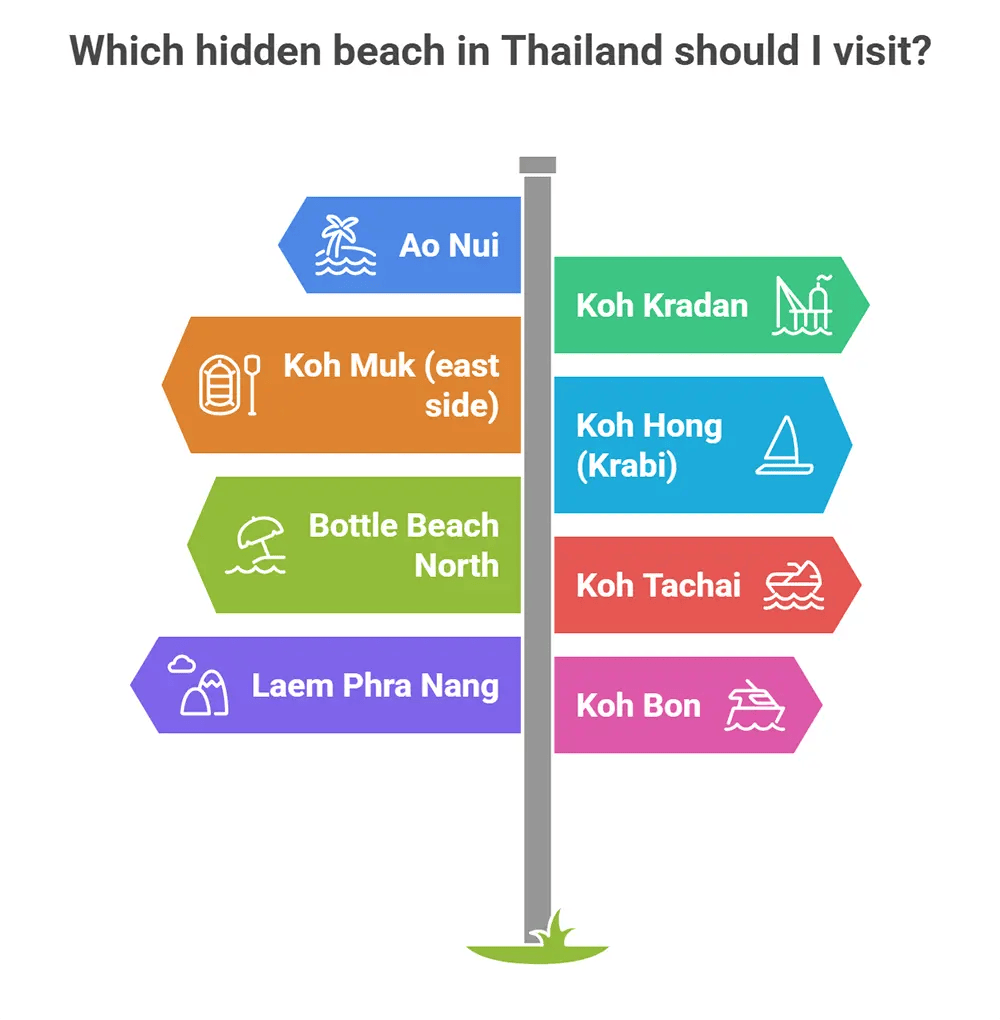
Quick Reference: Hidden Beach Comparison
| Beach/Island | Province | Access Method | Crowd Level | Best Season | Snorkeling Quality | Family-Friendly |
|---|---|---|---|---|---|---|
| Ao Nui | Krabi | Road + short walk | Very Low | Nov-Apr | Good | Yes |
| Koh Kradan | Trang | Ferry + longtail | Low | Nov-Apr | Excellent | Yes |
| Koh Muk (east side) | Trang | Ferry + longtail | Low | Nov-Apr | Very Good | Yes |
| Koh Hong (Krabi) | Krabi | Chartered boat | Medium | Nov-Apr | Good | Yes |
| Bottle Beach North | Koh Phangan | Boat only | Low | Feb-Aug | Moderate | Moderate |
| Koh Tachai | Phang Nga | Speedboat charter | Very Low | Nov-Apr | Outstanding | Moderate |
| Laem Phra Nang | Krabi | Boat only | Very Low | Nov-Apr | Good | No (difficult access) |
| Koh Bon | Similan region | Liveaboard/charter | Very Low | Nov-Apr | Excellent | No (remote) |
FAQs: Everything Else You Need to Know
What defines a "hidden beach" in Thailand? Hidden doesn't necessarily mean undiscovered. It means beaches requiring deliberate effort to reach: boat charters, hikes through jungle, or timing around tide cycles. These natural barriers keep crowds manageable even during high season.
Can I access hidden beaches independently or do I need a guide? Most secluded beaches Thailand protects allow independent access. Boat charters don't require guides unless you're exploring cave systems or navigating complex reef channels. For kayaking expeditions through mangroves, guides provide value through local knowledge and safety backup.
How crowded are hidden beaches during peak season? "Crowded" remains relative. Peak season (December-February) brings more visitors, but beaches requiring boat access or hikes rarely approach the density of road-accessible alternatives. Weekdays universally beat weekends.
What wildlife or marine life should I expect at these beaches? Reef fish dominate shallow snorkeling zones: parrotfish, angelfish, butterflyfish, and damselfish. Deeper waters around islands like the Similans host blacktip reef sharks, eagle rays, and during whale shark season (February-April), occasional giants. Terrestrial wildlife includes monitor lizards, hornbills, and various macaque species. Respect distance with all wildlife.
How do tides and monsoon season affect access to hidden beaches? Tides create or eliminate beaches entirely in some locations. Springs tides (full and new moon) create the most dramatic differences. Monsoon season varies by coast but generally limits access through rough seas. Many islands and beaches close completely during monsoon months.
If you're planning a broader Southeast Asian adventure, our guide on budget travel in Southeast Asia offers practical tips for stretching your baht further, while digital nomads should check out our guide to Asia's best remote work destinations for combining beach time with productivity.
Your Next Move: Stop Researching, Start Booking
Thailand's hidden beaches won't stay hidden forever. Every year, another "secret" spot appears on tour operator itineraries. Another pristine shore gets a beach bar. Another limestone cave fills with selfie sticks.
But right now, today, these places still exist. Beaches where you can anchor a longtail and spend six hours without seeing another tourist. Reefs where fish outnumber swimmers by thousands to one. Islands where electricity runs on generators that shut down at 10 PM.
The question isn't whether Thailand still has secluded beaches worth finding. The question is whether you're willing to trade convenience for authenticity. To wake before dawn. To pack your own lunch. To accept that some of the best experiences come without WiFi, without air conditioning, and without the certainty of online reviews.
Choose two or three beaches from this guide. Book your flights to Krabi, Trang, or Khao Lak. Download maps for offline use. Pack your reef-safe sunscreen and your sense of adventure.
Those hidden beaches are waiting. But they won't wait forever.
Ready to explore more of Asia's hidden gems? Our complete guide to Asia travel apps will help you navigate Thailand and beyond with essential offline tools and local secrets.
Share this article