
GoPro Hero 14: 5 Reasons Travelers Should Wait in 2026

 https://images.prismic.io/natouris/aY3Z1t0YXLCxVuhf_GoProHero14-5ReasonsTravelersShouldWaitin2026Thumbnail.webp?auto=format,compress&rect=0,17,1000,525&w=1200&h=630
Your GoPro Hero 13 just died. Again. Mid-hike in the humidity of Sri Lanka's tea country, the thermal warning flashed, and your sunrise timelapse became a corrupted file. Sound familiar? The GoPro Hero 14 isn't just another incremental upgrade with a fresh coat of paint. It's the action camera that frequent travelers and digital nomads have been screaming for since the Hero 11 launched. With a rumored 1-inch sensor, redesigned GP3 processor, and finally, a thermal management system that won't betray you in tropical climates, the Hero 14 represents the first genuine leap in GoPro's product line in years. But here's the catch: it's not here yet. And depending on your travel style, waiting might be the smartest move you make in 2026.
The Traveler's Dilemma: Hero 13 Discount or Hero 14 Patience?
Walk into any hostel common room from Chiang Mai to Medellín, and you'll spot the same gear: a beaten-up Osprey pack, a MacBook covered in stickers, and a GoPro dangling from a carabiner. For the modern nomad, action cameras aren't luxury items. They're tools. But here's what nobody tells you: the Hero 13 wasn't built for you. It was built for vloggers filming skateboard tricks in California, not travelers shooting 10-hour train journeys through humid Southeast Asia.
The GoPro Hero 14 release date remains unconfirmed, but industry whispers point to Q3 2026. GoPro's taking a rare "gap year" in their product cycle, and that pause signals something bigger than a minor spec bump. This is the moment when GoPro either reclaims its crown from DJI and Insta360, or becomes the Blackberry of action cameras.
Why This Article Exists
By the time you finish reading this, you'll know:
- Whether the Hero 14 vs Hero 13 battle is worth your money
- Which travel scenario demands you wait for the new release
- How to maximize your current gear until the 14 drops
No fluff. No affiliate link spam. Just the technical truth filtered through years of testing cameras in places where gear actually breaks.
Reason 1: The 1-Inch Sensor Revolution (Finally, Real Low-Light Performance)
Tech reviewers obsess over megapixels. Travelers care about one thing: will this camera capture golden hour in Bagan without looking like a potato? The GoPro Hero 14 is rumored to feature a 1-inch sensor, the same size found in professional compact cameras like the Sony RX100 series. To put this in perspective, the Hero 13's sensor is roughly one-third that size.
What This Means in the Real World
Sensor size dictates light-gathering ability. A larger sensor means:
- Cleaner night shots: Street food markets in Bangkok won't require a tripod and five-second exposure
- Better dynamic range: Shooting against backlighting (think: temple silhouettes at sunset) won't blow out your highlights
- Genuine depth: That blurred background effect professionals achieve? It's finally possible on an action camera
The Hero 13 struggles in anything less than perfect daylight. Ask anyone who's tried filming inside Angkor Wat's corridors or capturing the blue hour in Kyoto. You get noise, artifacts, and washed-out colors. The GoPro Hero 14 low light capability could finally make the action camera your only camera, not your "backup when the mirrorless dies" option.
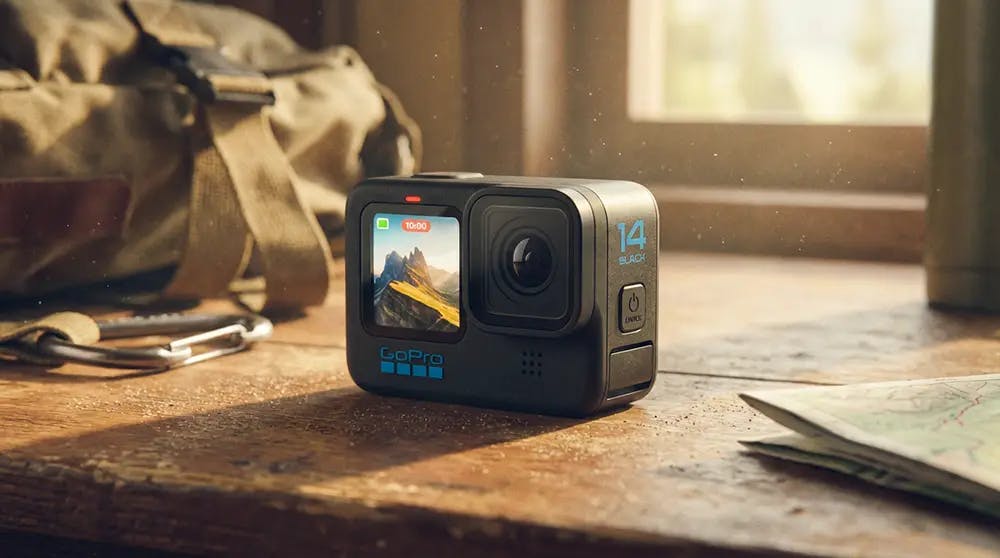 travel photography portfolio, this upgrade alone justifies the wait.
Reason 2: The GP3 Processor (Your New AI Editing Assistant)
Remember spending three hours in a Bali hostel scrubbing through footage to find that one perfect wave? The GP3 processor inside the Hero 14 reportedly includes on-device AI highlight detection. This isn't marketing fluff. DJI's Action 4 already does this, and it's a game-changer.
How On-Device AI Changes Your Workflow
The camera watches your footage in real-time and tags moments based on:
- Motion intensity (jumps, fast panning, sudden stops)
- Audio spikes (laughter, cheers, music)
- Scene changes (entering a temple, emerging from water)
When you dock your camera at night, the Hero 14 Quik app auto-generates a 90-second highlight reel synced to music. No laptop required. No editing skills necessary. For digital nomads running a remote work setup across Asia, this means content creation happens during your morning coffee, not your entire evening.
The Thermal Management Fix (Finally)
Here's the elephant in the room: every Hero 11, 12, and 13 owner has experienced the dreaded thermal shutdown. You're filming 4K 120fps under the Saharan sun or in the Philippines' 90% humidity, and suddenly, the camera gives up. The GP3 processor's architecture reportedly includes improved heat dissipation pathways.
Translation? You might actually shoot that full Sri Lanka safari experience without your camera entering thermal protection mode halfway through the elephant encounter. The Hero 14 overheating fix isn't glamorous, but for travelers filming multi-hour activities, it's the difference between usable footage and expensive failure.
Reason 3: Battery Life That Actually Respects Your Itinerary
The GoPro Hero 14 battery life is rumored to utilize the next-generation Enduro battery design with 25% greater capacity. But more importantly, the GP3 chip's efficiency means those extra milliamp-hours translate to real-world gains.
Current Battery Reality Check
With a Hero 13, you get approximately:
- 70 minutes of 5.3K/60fps recording
- 50 minutes of 4K/120fps recording
- 45 minutes in freezing temperatures
If you're documenting a full-day tuk-tuk adventure through Sri Lanka, you're carrying four batteries minimum. That's extra weight, extra chargers, and constant anxiety about running out of juice during that perfect moment.
The Hero 14 Promise
Leaked specs suggest:
- 90+ minutes of 5.3K/60fps recording
- 65+ minutes of 4K/120fps recording
- Improved cold-weather performance (crucial for hiking Sri Pada/Adam's Peak before dawn)
| Metric | Hero 13 | Hero 14 (Projected) |
| --- | --- | --- |
| 5.3K/60fps Runtime | 70 min | 90+ min |
| 4K/120fps Runtime | 50 min | 65+ min |
| Charging Time (USB-C PD) | 90 min | 75 min |
| Cold Weather Performance | Poor | Improved |
The Compatibility Question
Is the GoPro Hero 14 compatible with older accessories? This is where things get murky. If GoPro changes the battery form factor (rumored but unconfirmed), your collection of Enduro batteries becomes expensive paperweights. However, mounting systems, media mods, and protective cases should remain cross-compatible, given GoPro's history of maintaining the Hero body dimensions.
The smart play? Don't buy extra Hero 13 batteries right now. Wait for official confirmation on the 14's battery design.
Reason 4: The Ecosystem Tax (And How to Avoid It)
Let's talk money. The GoPro Hero 14 price is expected to land between $449 and $499 for the base model. That's a $50 premium over the Hero 13's launch price. But here's the hidden cost nobody discusses: the ecosystem.
The Full Investment Breakdown
| Item | Cost | Necessity Level |
| --- | --- | --- |
| GoPro Hero 14 Body | $449-$499 | Required |
| GoPro Subscription (1 Year) | $49.99 | Highly Recommended |
| Extra Enduro Batteries (x2) | $50 | Essential for Travel |
| 256GB MicroSD Card (V30) | $35 | Required |
| Protective Case | $29 | Recommended |
| Chest/Head Mount | $39 | Situational |
| Total Investment | $651-$701 | - |
The Subscription Hack
Here's the insider move: buying the Hero 14 with a GoPro subscription often costs less than buying the camera standalone. GoPro subsidizes the camera price for subscribers, betting you'll stay in their ecosystem. For travelers, the subscription includes:
- Unlimited cloud storage (automatic uploads over WiFi)
- 50% off accessories
- No-questions-asked camera replacement (up to twice per year)
That last perk? Gold. Drop your camera off a cliff in Nepal, and GoPro sends a replacement for $99. For someone living out of a backpack, that peace of mind is worth the annual fee.
The Resale Strategy
The secondary market for Hero 13s will crater the moment the 14 launches. If you own a 13 and plan to upgrade, sell now. You'll recoup 60-70% of your purchase price. Wait until the Hero 14 hits shelves, and that drops to 40-50%.
Check eBay's completed listings. Hero 12s are currently selling for $220-$280. That same camera sold for $400 last year. The depreciation curve is brutal and predictable. Don't be the person trying to offload a Hero 13 in September 2026 when everyone's unboxing the new model.
Reason 5: The Creator's Feature Stack (8K, Advanced Stabilization, and Frame Rate Flexibility)
The GoPro Hero 14 specs leak suggests 8K recording capability. Before you dismiss this as overkill, consider the use case. You're not shooting an 8K YouTube video. You're recording in 8K to reframe for multiple platforms without quality loss.
The Multi-Platform Content Strategy
Shoot once in 8K. Export three versions:
- 16:9 crop for YouTube (4K export)
- 9:16 vertical crop for Instagram Reels/TikTok (1080p export)
- 1:1 square crop for Instagram Feed (1080p export)
All from the same source file, with room to pan, zoom, and stabilize in post without pixelation. For travel content creators monetizing their journey through passive income strategies, this workflow is a business efficiency hack.
Does the GoPro Hero 14 Support 4K 120fps Recording?
Yes, and unlike the Hero 13, the thermal management improvements should let you actually use it. 4K 120fps is the sweet spot for travel content: smooth enough for buttery slow-motion, detailed enough for professional output, and manageable enough that your laptop won't catch fire during editing.
The Hero 13 technically supports 4K/120fps, but throttles after 15-20 minutes of continuous recording. If the Hero 14's thermal redesign delivers on its promise, you could theoretically film an entire train journey through Sri Lanka's hill country in slow-motion without interruption.
Advanced Stabilization: HyperSmooth 7.0
GoPro's stabilization has always been industry-leading, but the Hero 14 dynamic range improvements combined with better processor headroom should enable:
- Horizon lock that actually works on bumpy tuk-tuk rides
- Better low-light stabilization (currently, the Hero 13's stabilization degrades in dim conditions)
- Reduced rolling shutter (the "jello effect" during quick pans)
For someone filming a cycling adventure through Sri Lanka, these aren't luxury features. They're the difference between watchable content and nauseating footage.
The Strategic Decision Matrix: Who Should Wait and Who Should Buy Now
Not everyone needs to wait for the Hero 14. Here's the honest breakdown.
Buy the Hero 13 Now If You:
- Shoot primarily in daylight conditions (beaches, deserts, daytime adventure sports)
- Already own Enduro batteries and accessories (no ecosystem tax)
- Need a camera this month (upcoming trip, immediate content deadlines)
- Found a killer deal (Sub-$300 for the Hero 13 is decent value)
The Hero 13 is a mature, reliable camera. At discounted prices, it's a smart buy for casual travelers who aren't pushing technical boundaries.
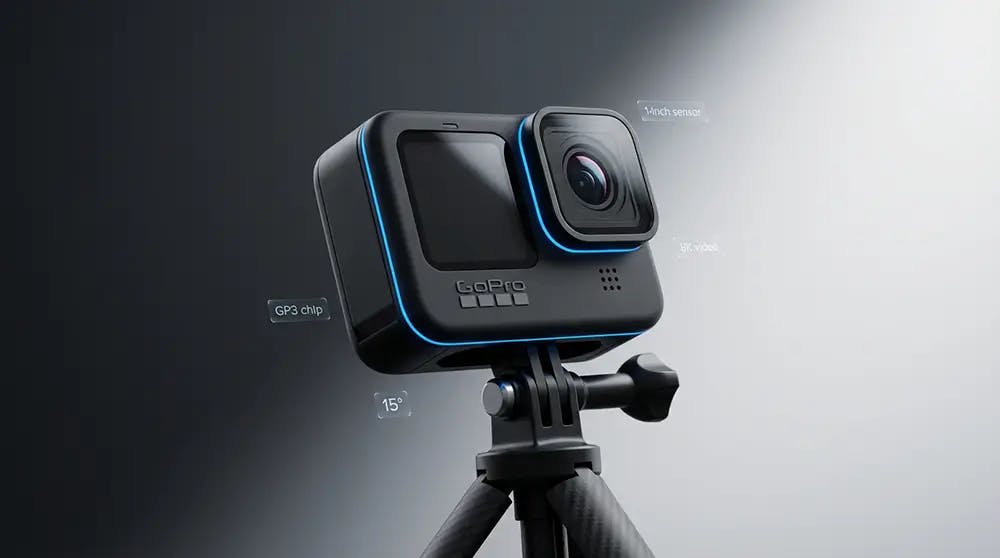
Wait for the Hero 14 If You:
- Film in challenging light (dawn/dusk, indoors, rainforests, night markets)
- Create content professionally (YouTube, Instagram, sponsored travel)
- Shoot long-form content (vlogs, documentaries, adventure films)
- Want future-proof specs (8K, better low-light, thermal management)
- Travel to extreme climates (heat, humidity, cold, altitude)
The 1-inch sensor alone justifies the wait if your work depends on image quality. Plus, early reviews of new tech often reveal firmware issues. Waiting 2-3 months post-launch means you skip the beta-testing phase and get a refined product with day-one firmware updates already applied.
The "Prosumer Nomad" Strategy
Here's the play for serious travel creators: buy a used Hero 13 for $250 now. Use it hard for six months. When the Hero 14 drops and reviews confirm it's worth the upgrade, sell the 13 for $180-$200 and upgrade. Your net cost? $50-$70 to rent a top-tier action camera for half a year. That's cheaper than renting from LensRentals.
Frequently Asked Questions
What Are the Key Specs of the GoPro Hero 14?
The confirmed GoPro Hero 14 specs include: GP3 processor, improved thermal management, and enhanced Enduro battery technology. Unconfirmed but heavily rumored: 1-inch sensor, 8K video recording, 4K 120fps without thermal throttling, and improved low-light performance. Official specifications will be announced closer to the release date.
Does the GoPro Hero 14 Have a Larger Sensor Than the Hero 13?
Yes, the Hero 14 is widely expected to feature a 1-inch sensor, a significant upgrade from the Hero 13's smaller sensor. This larger sensor dramatically improves low-light performance, dynamic range, and overall image quality, particularly in challenging lighting conditions common during travel.
How Is the Battery Life on the GoPro Hero 14?
The GoPro Hero 14 battery life should see approximately 25-30% improvement over the Hero 13, thanks to the more efficient GP3 processor and upgraded Enduro battery design. Expect 90+ minutes of 5.3K/60fps recording and 65+ minutes of 4K/120fps recording, though real-world results depend on temperature and usage patterns.
Has the GoPro Hero 14 Overheating Issues Been Fixed?
Early reports suggest the Hero 14 overheating fix addresses the thermal throttling problems that plagued the Hero 11, 12, and 13. The GP3 processor's improved architecture includes better heat dissipation, potentially allowing extended 4K/120fps recording in hot, humid climates without thermal shutdown.
What New Processor Powers the GoPro Hero 14?
The GP3 processor is GoPro's next-generation chip, featuring on-device AI capabilities for automatic highlight detection, improved image processing, better thermal management, and more efficient power consumption. This processor enables the Hero 14's advanced features while extending battery life.
Is the GoPro Hero 14 Compatible with Older Accessories?
GoPro Hero 14 accessories compatibility is expected for mounting systems, media mods, and protective cases, as GoPro typically maintains body dimensions across generations. However, battery compatibility remains unconfirmed. If GoPro changes the battery form factor, older Enduro batteries may not work with the Hero 14.
How Does Low-Light Performance Compare on the GoPro Hero 14?
Thanks to the rumored 1-inch sensor, the GoPro Hero 14 low light performance should represent a generational leap. Expect cleaner night shots, better dynamic range in mixed lighting, and reduced noise in indoor or twilight conditions. This makes the Hero 14 viable as a primary camera for travel content creators.
What's the Screen Like on the GoPro Hero 14?
While display specifications haven't been officially confirmed, expect incremental improvements to brightness and responsiveness on both the front and rear touchscreens. The focus appears to be on internal processing power rather than external display hardware.
When Was the GoPro Hero 14 Released and What's the Price?
The GoPro Hero 14 release date is projected for Q3 2026, though GoPro hasn't officially announced timing. The GoPro Hero 14 price is expected to range from $449 to $499 for the standalone camera, with subscription bundle deals likely offering better value.
Does the GoPro Hero 14 Support 4K 120fps Recording?
Yes, the Hero 14 supports 4K 120fps recording, and unlike previous models, the improved thermal management should allow extended use of this feature without throttling. This makes it ideal for smooth slow-motion capture during active travel adventures.
How Do I Update Firmware on the GoPro Hero 14?
The Hero 14 firmware update process will likely follow GoPro's standard method: connect to the Quik app via WiFi, and updates download/install automatically. Alternatively, manual updates can be performed by downloading firmware from GoPro's website to a microSD card.
Is There Optical Zoom on the GoPro Hero 14?
No, the Hero 14 does not feature optical zoom, as the compact action camera body doesn't allow for moving lens elements. However, the 8K recording capability enables significant digital zoom in post-production without noticeable quality loss when exporting to 4K.
The Verdict: Your Money, Your Timeline
The GoPro Hero 14 represents the first genuine paradigm shift in action cameras since the Hero 9 introduced the front-facing screen. If you're a weekend warrior filming beach volleyball and ski trips twice a year, the Hero 13's clearance prices are perfectly adequate. But if your travel content is your portfolio, your business, or your legacy, the Hero 14's sensor upgrade alone justifies waiting.
The 1-inch sensor isn't about spec sheet bragging rights. It's about finally matching the image quality of your iPhone in good light while surpassing it dramatically in challenging conditions. It's about shooting inside temples, night markets, and rainforests without apologizing for your footage. It's about carrying one camera instead of three.
GoPro's "gap year" strategy signals they understand the stakes. They're not iterating. They're innovating. The question isn't whether the Hero 14 will be worth it. The question is whether you can wait.
The Smart Play
If you have a trip booked for the next three months, grab a discounted Hero 13 or rent. If your major adventures fall in Q4 2026 and beyond, exercise patience. The Hero 14 isn't just a camera upgrade. It's GoPro's answer to everyone who switched to DJI, Insta360, or their smartphone because "good enough" stopped being good enough.
Your golden hour shots deserve better than grain. Your travel memories deserve better than thermal shutdowns. Sometimes, the best decision is the one you don't make yet.
For more essential gear recommendations to complement your action camera setup, check out our guide to must-have travel gear for Southeast Asia and discover the best AI tools for travel planning in 2026.
Last Updated: February 12, 2026. We update this article as new leaks are verified and official announcements are made.
Written by the Gear Team at Natouris testing cameras in the wild so you don't have to.
Share this article